

Shipping the MVP feels like crossing the finish line. But for most early-stage products, it is actually just the starting pistol. The real work begins after the product exists.
1.Product vs Startup
One of the most common mistakes first time founders make is believing that a startup is ready the moment the product works.
- The login works
- The dashboard loads
- The features are functional
- The MVP is live
From a developer's perspective, that feels like a huge milestone. And it is.
But a working product and a ready startup are two completely different things.
2.The Gap Most Founders Discover Too Late
Building a product feels like progress because it is tangible.
- You can see the code
- You can test the features
- You can show the interface to others
But the real challenge of a startup begins after the product exists.
That challenge is understanding the people who interact with it.
Who is visiting the site. Why they arrived. What they are trying to do. Where they get stuck.
Without that visibility, a founder is simply guessing.
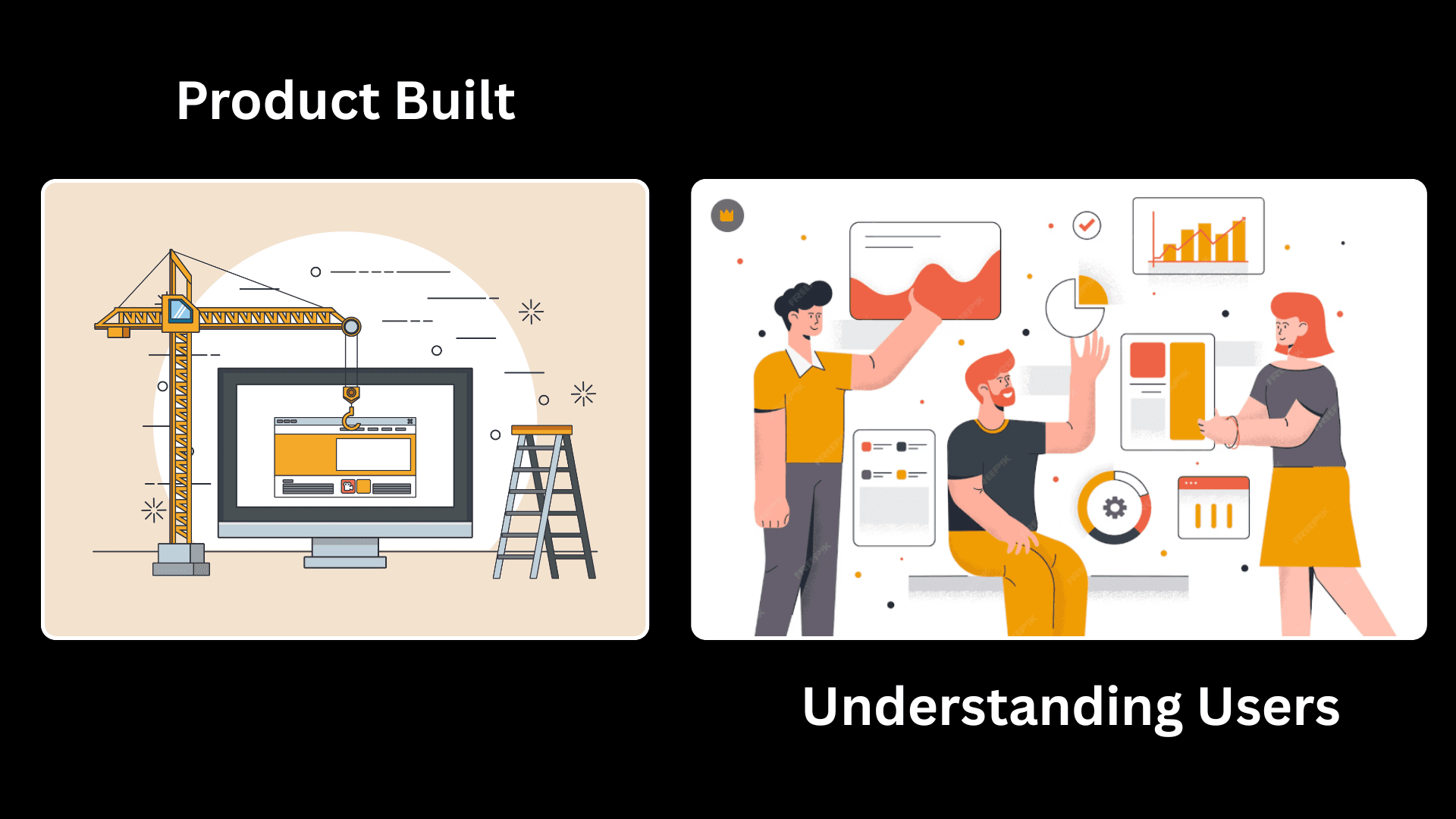
3.A Conversation That Reminded Me of This
Yesterday I had a conversation with a student who had just finished building his MVP.
Like many aspiring founders, he had been seeing stories everywhere about people launching SaaS products and sharing revenue milestones. Naturally it motivated him to try building something of his own.
To be fair, his idea was genuine. It was solving a real problem and with a few adjustments it could become even stronger.
He told me the product was ready and had already been shared on a few platforms. From a development standpoint, everything was working exactly as intended.
But as we talked more, something interesting became clear.
The product worked. The startup did not exist yet.
- No structured way to understand the visitors arriving on the site
- No clear system that helped people easily interact with the founder
- No consistent loop to capture what users were experiencing or struggling with
- Very little effort toward helping new people discover the product

4.Why This Matters More Than the Code
In early stage startups, the most valuable asset is not the product.
It is the feedback that comes from the first few users.
- They show you where your assumptions were wrong
- They show you what parts of the product actually matter
- Sometimes they reveal a completely different direction the product should take
But that only happens if the founder creates ways to observe and listen.
5.The Moment Many Founders Face
After realizing this gap, most founders ask the same question.
What should I use to manage all of this?
That is actually one of the main reasons we built Widgetkraft.
Instead of forcing founders to patch together multiple services, the idea was to help teams manage these early stage interactions from one place while keeping the experience aligned with their brand.
6.What a Ready Startup Actually Looks Like
A startup becomes ready when the founder can answer a few simple things.
- Who is visiting the product
- Why they came
- What they are trying to accomplish
- What stops them from continuing
- What makes them return
A working product is only the starting point.
The real startup begins when you start learning from the people who use it.

Build the environment around your product.
With Widgetkraft, early-stage founders can bring visitor understanding, feedback collection, and user communication into one place, without stitching together a fragmented tool stack.
If your product works but the startup around it is still missing, it might be worth setting up the engagement layer before you lose the first wave of users.